Possible 9-foot model of Brunelleschi’s dome found
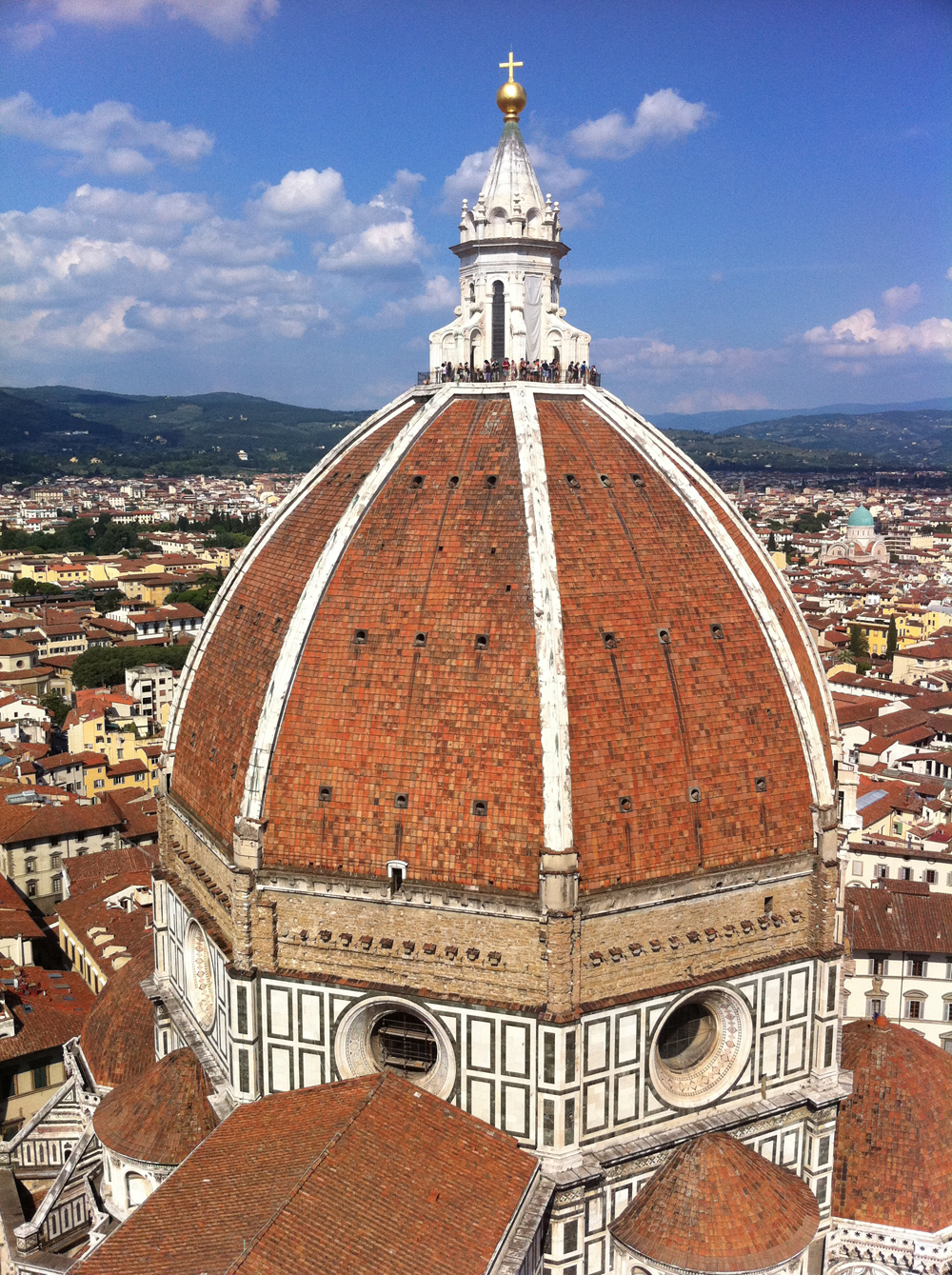
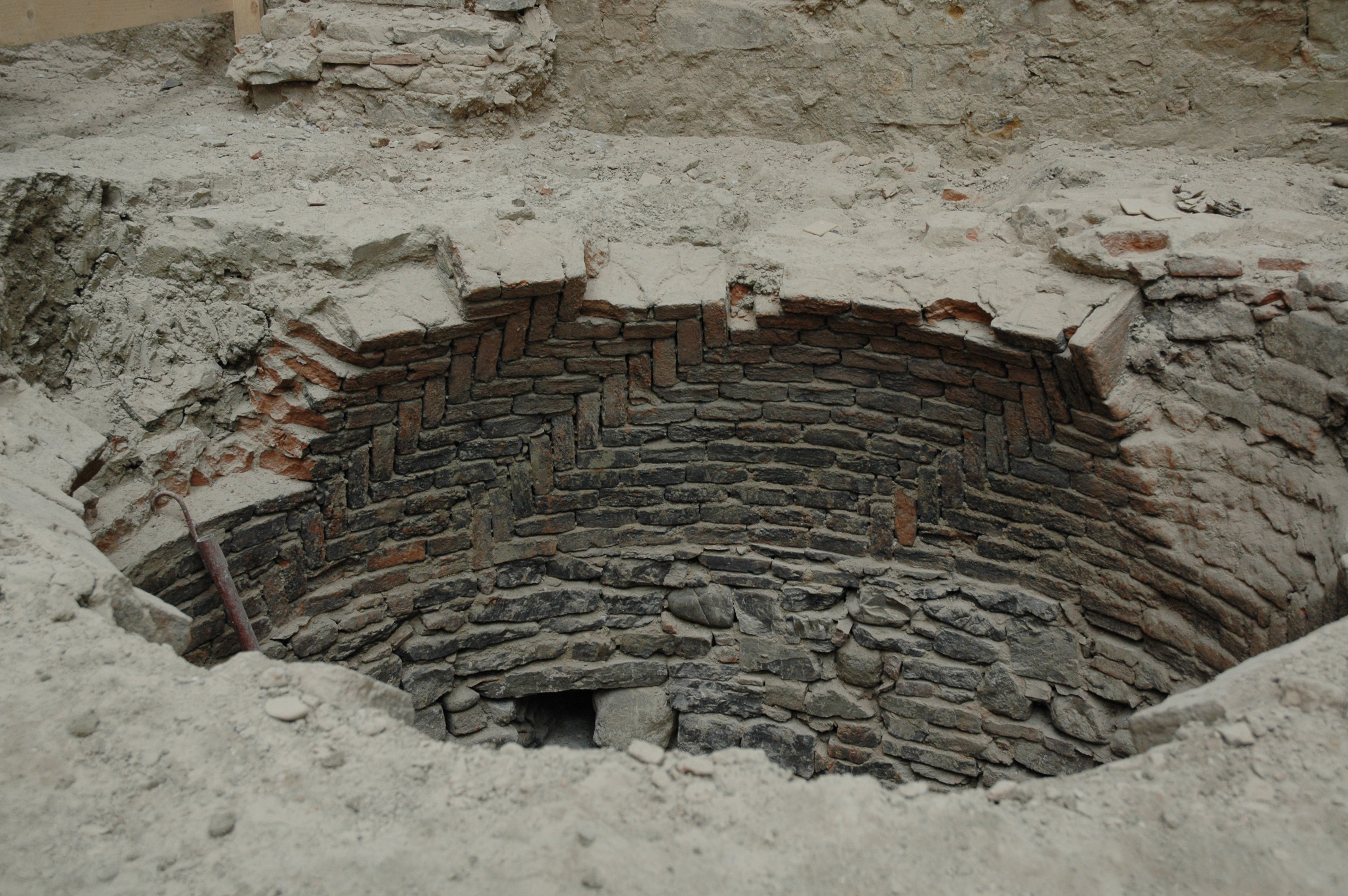 Archaeologists excavating inside an 18th century theater slated to become an addition to the Museum of the Works of the Cathedral in Florence have discovered what appears to be a builder’s model of the cathedral’s famous dome. The mini-dome is nine feet in diameter and features bricks laid in a herringbone pattern, a unique characteristic of the dome designed and built by architect and engineer Filippo Brunelleschi.
 It was found in a layer two-and-a-quarter feet below surface level which contains copious metal and marble fragments from the period when the space was used as a construction workshop during the late 14th and 15th centuries, the same time when Brunelleschi was working on his dome. Herringbone brickwork had been used before in Persian domes, but Brunelleschi’s was the first in Europe, which means this model may be the first brick herringbone dome built on the continent.
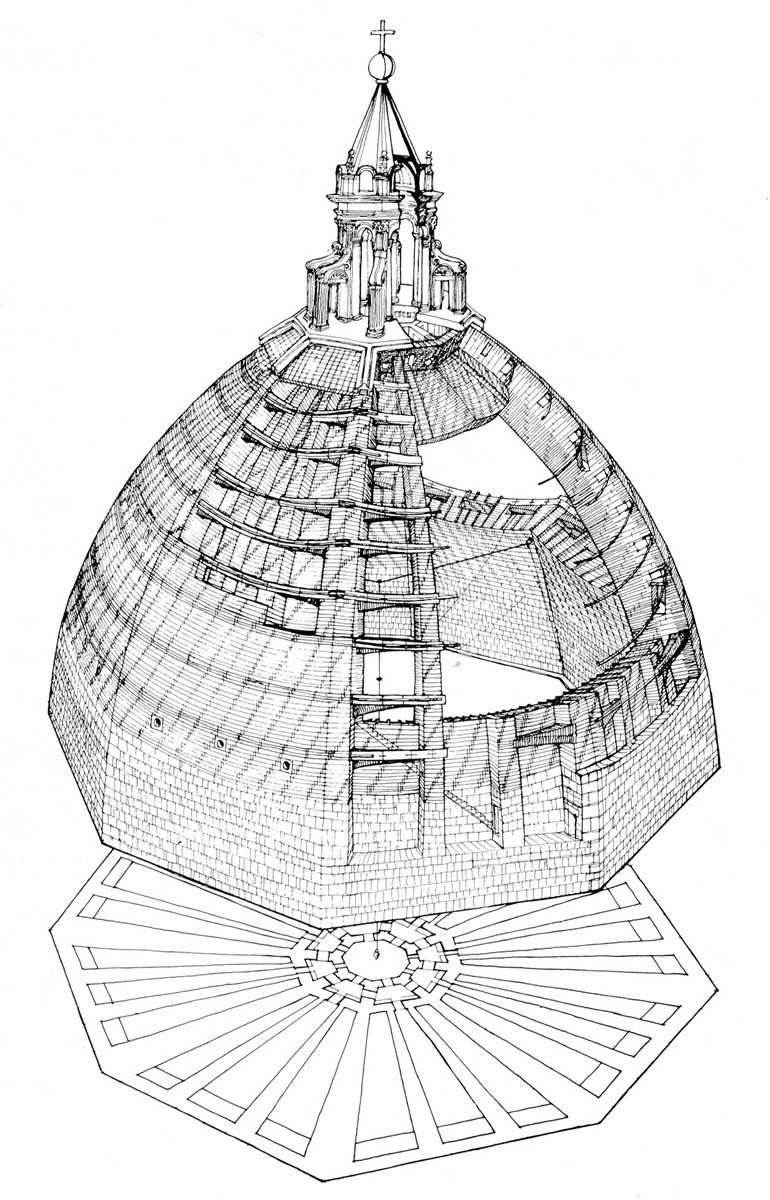 The dome of Santa Maria del Fiore was built between 1420 and 1436, and the herringbone pattern was one of the key elements to Brunelleschi’s brilliant design. An octagonal dome had been planned for the cathedral by Arnolfo di Cambio in 1296, but even as the rest of the church was built, the dome never moved past the model phase. The decision to eschew Gothic buttresses in favor of a classical dome was made when the design of architect Neri di Fioravante was accepted in 1367. That left the Duomo’s builders with a dilly of a pickle: how to build a huge octagonal dome without elaborate scaffolding that would make the interior of the church unusable and without exterior buttresses.
 In 1418 the wool guild sponsored a contest to solve the thorny problem. Brunelleschi studied the dome of the Pantheon in Rome — still today the largest unreinforced concrete dome in the world — but he couldn’t use the Pantheon’s techniques for the Duomo dome. The Roman recipe for concrete was lost, for one thing, and for another, it had required massive wooden forms to keep the dome standing while the concrete dried. There literally wasn’t enough timber in Tuscany to scaffold and frame even a masonry dome 144 feet in diameter. Also the outer walls of the cathedral had already been built, and there was no way they could withstand the compression forces of a massive, heavy dome. Besides, there was still the stricture that the interior of the church had to be open to the public during construction.
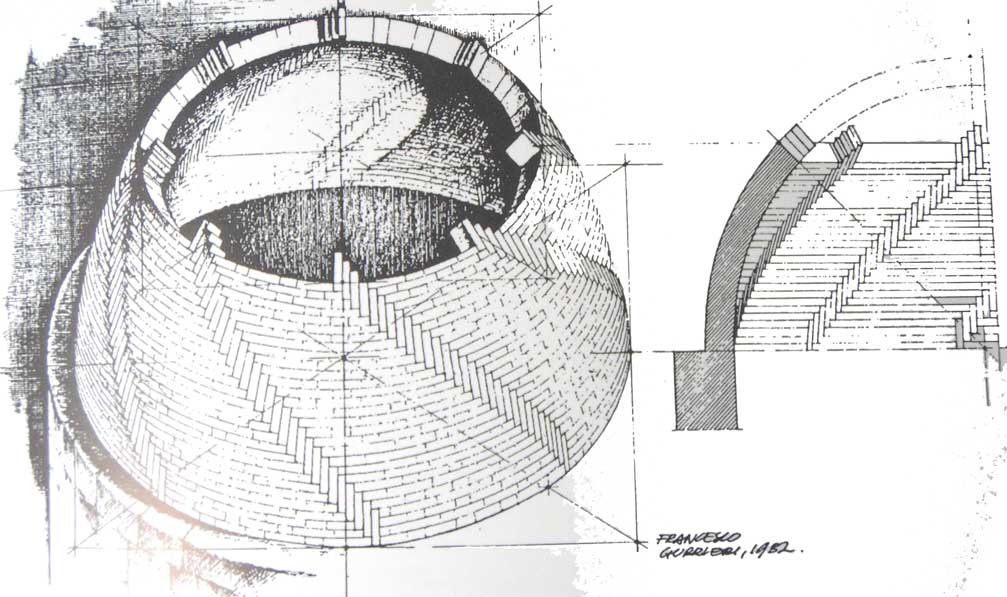 Brunelleschi’s solution was brickwork rather than concrete or stone. He built wooden vertical ribs that curved upwards from each corner of the octagonal base. The ribs had slits that wooden planks could be attached to, and then terrifying skinny platforms built off the planks for workers to use building the dome without the need for scaffolding. The bricks were then laid in a diagonal herringbone pattern that would transfer the weight of the bricks to nearest vertical rib while the mortar was drying instead of pressing downwards and collapsing onto the heads of assembled worshipers.
Even today there are many questions about how he accomplished this extraordinary feat of architecture. Brunelleschi kept his overall plan close to his chest, releasing snippets on a need-to-know basis so he couldn’t be easily replaced. The discovery of a brick and mortar model (as opposed to the small mock-up style model which is on display at the Museum of the Works of the Cathedral) could add to our understanding of Brunelleschi’s methods.
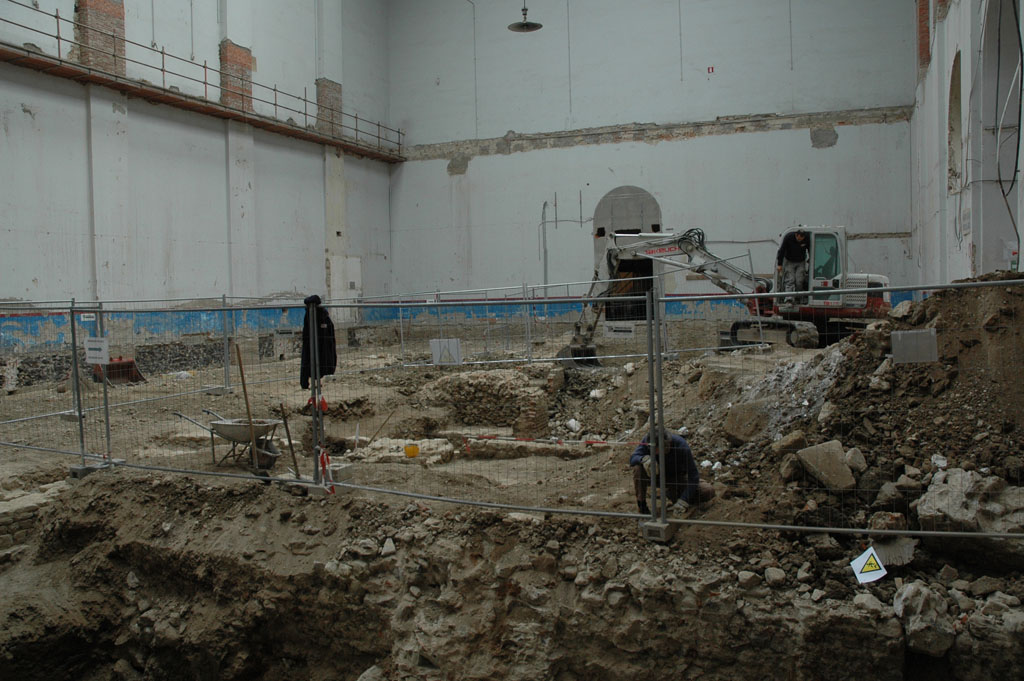 Unfortunately the top of the mini-dome is missing, probably sheared off during the construction of the theater in 1779. The theater was commissioned by the Grand Duke of Tuscany Peter Leopold, son of Maria Theresa of Austria and future Holy Roman Emperor. It replaced the many workshops used by artisans and craftsmen employed by the Works of the Cathedral since the Middle Ages, one of which may well have been the place where Michelangelo sculpted the David. The Theater of the Intrepids became known for its low-brow entertainment, raucous audiences and wholly crappy acoustics.
 In the 1900s the theater was gutted and used as a garage until it was purchased by its former owners, the Works of the Duomo, in 1998. For the next decade or so, the organization used it for storage and as a restoration laboratory. In 2009, construction began to transform the space into an adjunct space for the museum. The new addition is scheduled to open in 2015. The newly discovered domelet will be fully excavated, restored as much as feasible and put on display in the new museum.